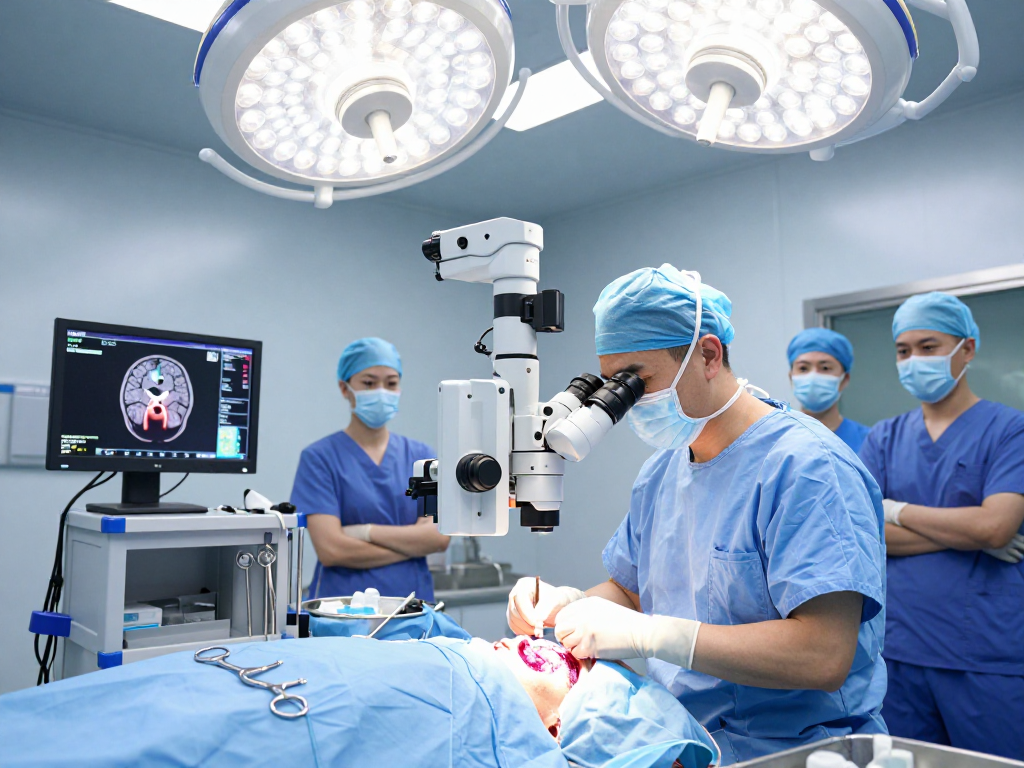
Understanding Brain Tumors and the Role of a Specialist
Brain tumors are a significant health concern, affecting thousands of individuals worldwide. They can arise from various types of cells in the brain or can spread from other parts of the body. As awareness around brain tumors increases, so does the need to consult a brain tumor surgery specialist for early diagnosis and effective treatment options. This article delves into the complexities of brain tumors, the importance of specialized care, and the evolution of surgical techniques to provide patients with the best outcomes possible.
What are Brain Tumors?
Brain tumors are abnormal growths of cells within the brain or surrounding tissues. They can be classified as benign (non-cancerous) or malignant (cancerous). Benign tumors typically grow slowly and do not invade surrounding tissues, while malignant tumors can be aggressive, spreading to other areas of the brain or body. The exact cause of brain tumors remains largely unknown, but genetic factors, exposure to radiation, and certain inherited conditions may increase the risk.
The Importance of a Brain Tumor Surgery Specialist
A brain tumor surgery specialist plays a crucial role in the diagnosis and treatment of brain tumors. These physicians possess specialized training in neurosurgery, allowing them to perform intricate surgical procedures that can remove tumors while minimizing damage to surrounding brain tissue. Their expertise is vital in evaluating the type and location of a tumor, which directly impacts treatment strategies and patient outcomes.
Common Symptoms Indicating the Need for Surgery
Symptoms of brain tumors can vary widely depending on the tumor's size and location. Common indicators include persistent headaches, seizures, changes in vision or hearing, cognitive difficulties, and sudden mood changes. Early recognition of these symptoms and timely consultation with a specialist can be pivotal in determining the best course of action.
The Brain Tumor Surgery Process Explained
Initial Consultation and Diagnosis by a Specialist
During the initial consultation, the brain tumor surgery specialist will conduct a thorough evaluation, which includes taking a detailed medical history and performing a neurological exam. Diagnostic imaging techniques, such as MRI or CT scans, are used to assess the tumor's characteristics and determine an appropriate treatment plan.
Preoperative Evaluations and Preparations
Once a surgical approach is decided, preoperative evaluations are crucial. Blood tests, imaging studies, and sometimes a biopsy may be necessary to gather further information about the tumor's nature. Patients should also receive counseling regarding anesthesia and the surgical process itself to ensure they are well-prepared and informed.
Types of Brain Tumor Surgeries Performed
There are several surgical options for treating brain tumors, including:
- Craniotomy: The most common method involves removing a section of the skull to access and remove the tumor.
- Stereotactic surgery: A minimally invasive approach using precise imaging to locate and remove tumors with less damage to surrounding tissue.
- Endoscopic surgery: Utilizing small instruments and a camera inserted through the nostrils or small incisions to remove tumors.
- Awake brain surgery: Performed while the patient is awake, allowing the surgeon to monitor brain function during the procedure.
Recovery Expectations After Brain Tumor Surgery
Immediate Postoperative Care and Monitoring
Post-surgery, patients typically spend time in a recovery area for monitoring as they wake from anesthesia. Vital signs, neurological function, and any potential complications, such as bleeding or infection, are closely monitored during this time. The length of hospital stay can vary based on the complexity of the surgery and the patient's overall health.
Long-Term Recovery and Rehabilitation
Long-term recovery from brain tumor surgery can involve physical therapy, occupational therapy, and cognitive rehabilitation, especially if the tumor affected vital functions or cognitive abilities. Recovery timelines differ, but many patients can return to regular activities within weeks to months, depending on individual circumstances.
Managing Pain and Side Effects Following Surgery
Managing postoperative pain and any side effects is a critical part of recovery. Medications may be prescribed to alleviate pain and reduce inflammation. Additionally, patients should report any unusual symptoms to their healthcare team promptly, as this could indicate complications.
Choosing the Right Brain Tumor Surgery Specialist
What Qualifications Should You Look For?
When selecting a brain tumor surgery specialist, consider their qualifications, including board certification in neurosurgery, fellowship training focused on tumors, and years of clinical experience. A specialist's involvement in research and clinical trials can also indicate a commitment to advancing treatment options.
Questions to Ask During Your First Appointment
It's essential to be prepared with questions during your first appointment to ensure you feel comfortable and informed. Helpful questions might include:
- What is your experience with my specific type of tumor?
- What surgical options do you recommend, and why?
- What can I expect in terms of recovery and follow-up care?
Understanding Specialist’s Experience and Success Rates
Inquire about the specialist's success rates and patient outcomes for similar cases. Understanding a surgeon’s experience and their approach to patient care can help you make an informed decision and build trust in your treatment plan.
Future Trends in Brain Tumor Surgery
Advancements in Surgical Techniques for Tumor Resection
The surgical landscape for brain tumor resection is continually evolving, with advancements such as intraoperative imaging and robotic-assisted surgery improving precision and outcomes. Techniques like fluorescence-guided surgery help surgeons visualize tumor margins better, leading to more successful resections and minimizing the risk of recurrence.
The Role of Technology in Improving Surgical Outcomes
Emerging technologies, such as artificial intelligence and machine learning, are being employed to analyze patient data and predict surgical outcomes, enhancing preoperative planning and postoperative care. These innovations are paving the way for personalized treatment plans that cater closely to the individual needs of brain tumor patients.
Patient-Centered Care Approaches in 2026
By 2026, the expectation is that patient-centered care models will be the norm in brain tumor treatment. This includes a multidisciplinary approach where neurosurgeons, oncologists, radiologists, and support staff work collaboratively, ensuring that all aspects of a patient's care are coordinated and centered around their specific needs.
What are the common risks associated with brain tumor surgery?
Like all surgeries, brain tumor surgery comes with risks. These may include infection, bleeding, neurological deficits, and complications related to anesthesia. A thorough discussion with your specialist about these risks is vital for informed consent.
How long is the typical recovery time after surgery?
Recovery time can vary significantly. Patients may spend from a few days to a week in the hospital, with full recovery taking anywhere from weeks to months, depending on the nature of the surgery and individual health factors.
What advancements can we expect in brain tumor treatments by 2026?
Innovations in gene therapy, immunotherapy, and personalized medicine are expected to reshape how brain tumors are treated. Tailored approaches based on genetic profiling of tumors will allow for targeted therapies that can improve outcomes and reduce side effects.
How can patients best prepare for a surgery consultation?
To prepare for a surgery consultation, patients should gather their medical history, list medications, and note any symptoms they have experienced. Writing down questions beforehand can also help ensure all concerns are addressed during the consultation.
What support resources are available for brain tumor patients?
Support resources include patient advocacy groups, counseling services, and rehabilitation programs. Many hospitals also offer support groups where patients can connect with others facing similar challenges, providing emotional support and practical advice.